Key Facts
Have you ever noticed an itchy sensation on the roof of your mouth that won’t go away? While it may seem like a minor irritation, an itchy palate can sometimes indicate allergies, infections, dry mouth, or other underlying health conditions. In many cases, the discomfort is temporary, but persistent itching deserves proper evaluation. This guide explains the most common causes, effective treatments, home remedies, and when you should visit a healthcare professional.
Book an appointment: Dr Nivea’s Highly Advanced Dental Network.
What Is an Itchy Roof of the Mouth?
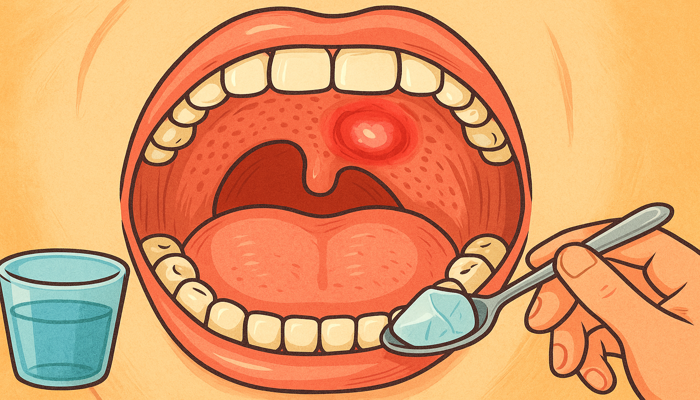
The roof of the mouth, also called the palate, contains delicate tissues that can become irritated due to allergies, infections, dryness, burns, or trauma. Mild itching often resolves within a few days, especially if it’s associated with a common cold or seasonal allergies. However, symptoms lasting longer than two weeks or worsening over time should be evaluated by a dentist or physician.
Common Causes of an Itchy Roof of the Mouth
Several conditions can cause itching in the upper part of your mouth.
1. Allergic Reactions
Allergies are one of the leading causes of an itchy palate. When your immune system reacts to an allergen, it releases histamine, which causes inflammation, swelling, and itching inside the mouth.
Common allergy triggers include:
People with seasonal allergies often notice mouth itching after eating raw fruits or vegetables because of cross-reactive proteins.
2. Dry Mouth (Xerostomia)
Saliva protects and lubricates the mouth. When saliva production decreases, the tissues become dry, irritated, and itchy.
Common causes of dry mouth include:
Dry mouth also increases the risk of tooth decay, bad breath, and oral infections.
3. Oral Thrush
Oral thrush (oral candidiasis) is a fungal infection caused by an overgrowth of Candida yeast.
Symptoms include:
Oral thrush is more common in infants, older adults, people with diabetes, denture wearers, and individuals with weakened immune systems.
4. Oral Herpes (Cold Sores)
The Herpes Simplex Virus Type 1 (HSV-1) can cause sores inside the mouth, including the roof of the mouth.
Symptoms may include:
The itching often appears before the blisters become visible.
5. Chemical Irritation
Certain foods and oral care products can irritate the delicate tissues of the palate.
Common irritants include:
These irritants may also cause peeling of the roof of the mouth.
6. Burns or Minor Injuries
Physical trauma can temporarily irritate the palate.
Examples include:
The itching usually improves as the tissue heals.
7. Common Cold or Viral Infections
Many people experience an itchy roof of the mouth during the early stages of a cold. Viral infections can inflame the tissues and stimulate nerve endings, creating an itchy sensation that usually resolves within one to two weeks.
Home Remedies for an Itchy Roof of the Mouth
Most mild cases improve with simple home care.
Stay Hydrated
Drink plenty of water throughout the day to keep your mouth moist. Sugar-free chewing gum or saliva substitutes may also help stimulate saliva production.
Identify and Avoid Triggers
If allergies are responsible, avoid foods or environmental allergens that trigger your symptoms. Keeping a food diary may help identify patterns.
Practice Good Oral Hygiene
Maintain healthy oral habits by:
Good oral hygiene reduces irritation and lowers the risk of infections.
Choose Gentle Oral Care Products
Switch to toothpaste without Sodium Lauryl Sulfate (SLS) if your mouth feels irritated after brushing.
Use Appropriate Medications
Depending on the cause, your healthcare provider may recommend:
Avoid using topical steroid creams inside the mouth unless specifically advised by your healthcare provider.
Adjust Your Diet
Temporarily avoid foods that may worsen irritation, including:
Soft, cool foods may provide temporary relief.
Reduce Stress
Stress can worsen several oral conditions, including cold sores and dry mouth. Relaxation techniques such as meditation, yoga, and deep breathing may help reduce symptom flare-ups.
When Should You See a Doctor or Dentist?
Seek professional care if you experience:
Immediate medical attention is necessary if mouth itching is accompanied by facial swelling or breathing difficulties, as these may indicate a serious allergic reaction.
Takeaway
Allergies, dry mouth, viral infections, fungal infections, or minor irritation usually cause an itchy roof of the mouth. Most cases improve with good hydration, proper oral hygiene, and avoiding known triggers. However, persistent or severe symptoms should never be ignored, as they may indicate an underlying medical condition that requires professional treatment. If the discomfort continues for more than two weeks or is associated with severe symptoms, consult your dental clinic in Trichy or healthcare provider for an accurate diagnosis and appropriate care.
Frequently Asked Questions (FAQs)
Why does the roof of my mouth itch?
The roof of your mouth may itch due to allergies, dry mouth, viral infections, oral thrush, irritation from certain foods, or minor injuries.
Why is my hard palate itchy?
Seasonal allergies, oral allergy syndrome, dry mouth, fungal infections, or irritation from spicy or acidic foods commonly cause an itchy hard palate.
What causes an itchy roof of the mouth at night?
Nighttime mouth itching may result from allergies, mouth breathing, dry mouth during sleep, postnasal drip, or environmental allergens such as dust mites.
Why do allergies make the roof of my mouth itch?
During an allergic reaction, your body releases histamine, which causes inflammation and stimulates nerve endings in the palate, resulting in itching.
Why is the roof of my mouth itchy when I have a cold?
Viral infections associated with the common cold can inflame the tissues of the mouth and throat, leading to temporary itching that usually improves as the infection resolves.

.png)
.png)