Key Facts About Plaque and Tartar
Plaque vs. Tartar
Plaque is a soft, sticky film of bacteria that can be removed with regular brushing and flossing. Tartar (also called dental calculus) forms when plaque hardens and can only be safely removed by a dental professional.
How Tartar Forms
If plaque is not cleaned away, it can harden into tartar within 24–72 hours. It commonly develops along the gumline and between teeth.
Home Remedies Don’t Work
DIY methods like baking soda, charcoal, or other home remedies cannot remove hardened tartar. In fact, they may damage your enamel and irritate your gums.
How It Looks
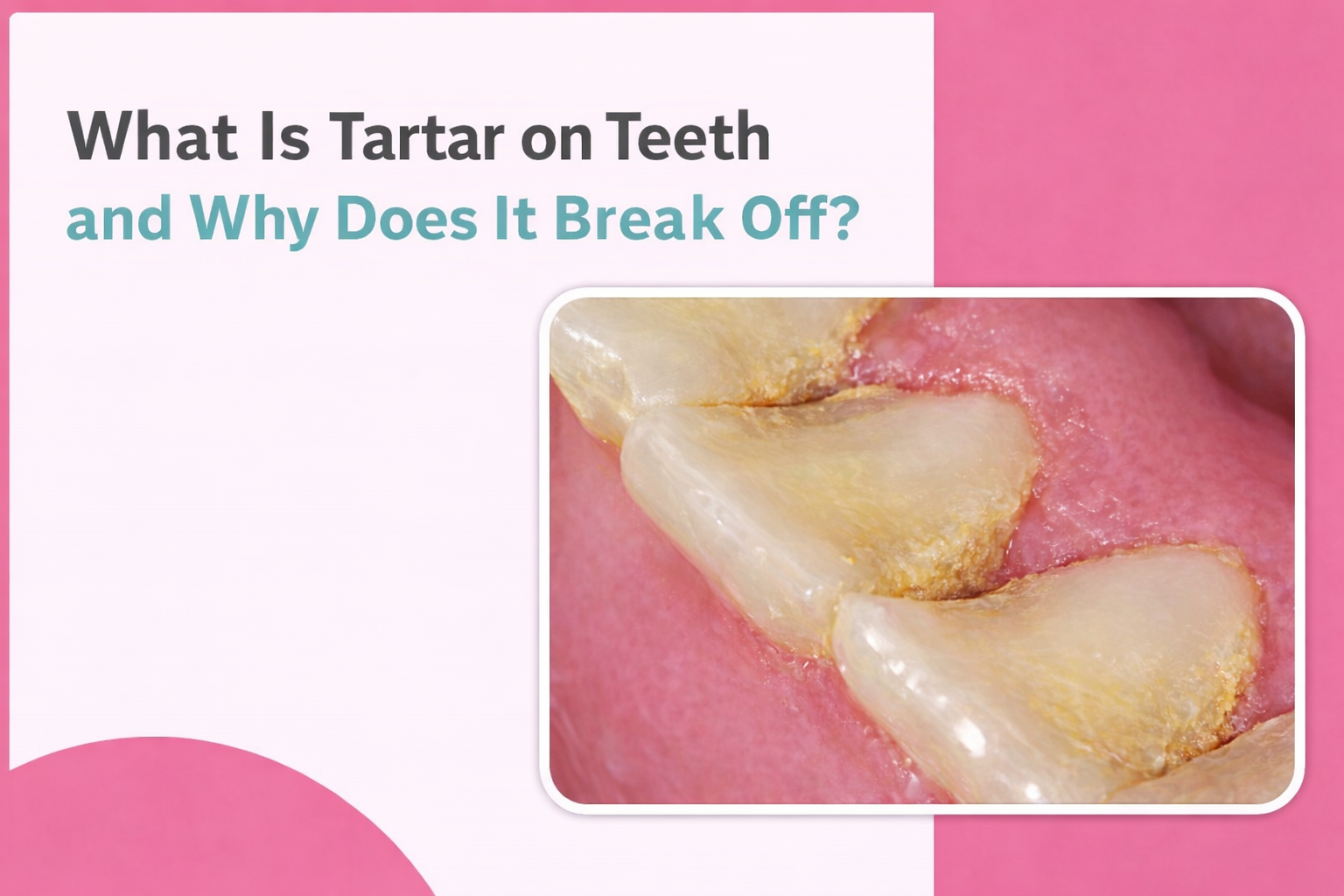
When tartar breaks off, it appears as rough, hard fragments that are yellow, off-white, or brown in color. Unlike stains, tartar is not smooth.
Risk Factors
Several factors increase tartar buildup, including poor oral hygiene, smoking, dry mouth, a high-sugar diet, crowded teeth, and even genetic predisposition.
Possible Complications
If left untreated, tartar can lead to cavities, gum disease, persistent bad breath, and eventually tooth loss.
Best Prevention Tips
Brush twice daily with fluoride toothpaste, floss every day, use an antibacterial mouthwash, and schedule professional dental cleanings every six months.
Book an appointment: Dr. Nivea’s Highly Advanced Dental Network
More than half of adults experience tartar buildup. When oral hygiene is inconsistent, dental plaque accumulates on the teeth. If plaque is not removed within 24–72 hours, it hardens into tartar (also called dental calculus). Tartar can make brushing difficult and may lead to cavities, gingivitis, and persistent bad breath. Unlike plaque, tartar cannot be removed at home because it bonds firmly to the tooth enamel. Only a dental professional can safely eliminate it.
Before understanding tartar, it’s important to know how plaque forms and transforms into hardened deposits. This guide explains plaque, tartar formation, why tartar sometimes breaks off, what it looks like, and how to prevent buildup. It also answers a common question: Can tartar be removed at home?
What Is Dental Plaque?
Plaque is a sticky, colorless film made up of bacteria that forms on teeth above and below the gumline. The mouth naturally contains bacteria that help break down food. When saliva combines with food particles and fluids, it creates bacterial deposits that cling to tooth surfaces, forming plaque.
Plaque bacteria release acids that attack enamel and irritate gums. Without regular brushing and flossing, plaque buildup can lead to tooth decay, gum disease, and eventually tartar formation.
What Is Tartar?
Tartar is hardened plaque. When plaque is not removed regularly, it calcifies and becomes difficult to clean off. While plaque can be managed with daily oral hygiene, tartar requires professional removal by a dentist or dental hygienist.
Can You Remove Tartar at Home?
Many people search for ways to remove tartar without visiting a dentist. While plaque can be controlled with brushing and flossing, hardened tartar cannot be safely removed at home.
Home remedies such as baking soda, hydrogen peroxide, or activated charcoal are often promoted online. However, these methods are not clinically proven to remove tartar completely and may damage enamel or irritate the gums if misused.
The best strategy is prevention—brushing twice daily with fluoride toothpaste, flossing every day, and using an antibacterial mouthwash. If tartar has already formed, professional dental cleaning with specialized instruments like ultrasonic scalers is the only safe solution.
Tartar vs. Stains: How to Tell the Difference
Not all discoloration is tartar.
Tartar usually forms along the gumline and feels rough or crusty. Surface stains from coffee, tea, or smoking may look similar but typically feel smooth and can be polished away during cleaning. If your teeth feel gritty or hardened near the gums, tartar is likely present.
How Quickly Does Tartar Form?
Plaque begins forming within hours after brushing. If left undisturbed for one to two days, it can harden into tartar—especially in people with dry mouth or high-calcium saliva. Skipping flossing or neglecting back teeth increases the risk.
Why Some People Develop Tartar Faster
Certain individuals are more prone to tartar due to genetics, saliva composition, diet, or medications such as antihistamines. Smokers, people with braces, and those with crowded teeth also face a higher risk. Sometimes, it’s not just about brushing technique—it’s biological factors as well.
Can Children Get Tartar?
Yes. Children can develop tartar, particularly if they frequently consume sugary drinks or skip brushing. It often appears behind the lower front teeth. Early dental visits help prevent long-term issues.
What Causes Tartar Buildup?
The primary cause is poor oral hygiene. When plaque is not regularly removed, it hardens into tartar. Consistent brushing and flossing significantly reduce this risk.
Can Tartar Cause Bad Breath?
Yes. Tartar traps bacteria and food particles around the teeth and gums, which can lead to unpleasant odor and taste.
Why Does Tartar Break Off Teeth?
Although tartar strongly attaches to enamel and gums, it may sometimes break off on its own due to:
However, this is not a safe or complete removal method.
What Does Tartar Look Like When It Breaks Off?
When tartar detaches, it appears as hard, irregular fragments. Common characteristics include:
Takeaway
Maintaining good oral hygiene is the best defense against plaque and tartar. Brush twice daily, floss regularly, and schedule professional cleanings every six months. Even if tartar pieces fall off, a dental visit is essential. Improper removal can expose sensitive areas and increase the risk of further complications. best dentist in trichy
For safe and effective tartar removal, consult a qualified dental professional for proper care and advanced treatment.
FAQs
What happens when tartar breaks off teeth?
When tartar breaks off, it may expose sensitive tooth surfaces and irritate the gums. Remaining deposits can continue harboring bacteria, increasing the risk of cavities and gum disease. Professional cleaning is recommended.
What does tartar look like when it breaks off?
It appears as hard, rough fragments in yellow, off-white, or brown shades.
What does tartar on teeth look like?
Tartar typically appears as hardened, crusty deposits near the gumline and between teeth.
Is tartar breaking off a good sign?
Not necessarily. While some buildup may detach, professional cleaning is still required to remove remaining deposits safely.
Does oil pulling remove tartar?
Oil pulling may reduce bacteria, but it cannot remove hardened tartar. Only professional dental cleaning can eliminate tartar effectively.

.png)
.png)