What Do Black Gums Mean? Causes, Symptoms, and Treatments
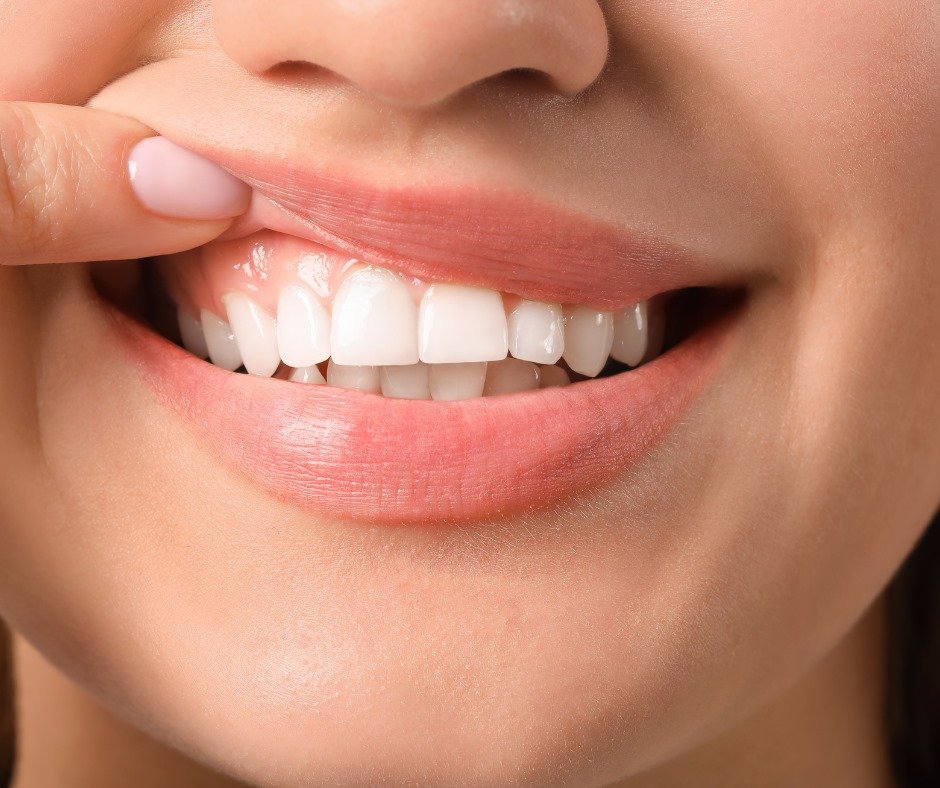
Healthy gums are not always light pink. Just like skin tone differs from person to person, gum colour can also vary naturally. Some individuals may have darker gums due to higher melanin levels—the natural pigment responsible for skin, hair, and gum colour. In many cases, dark or black gums are completely normal.
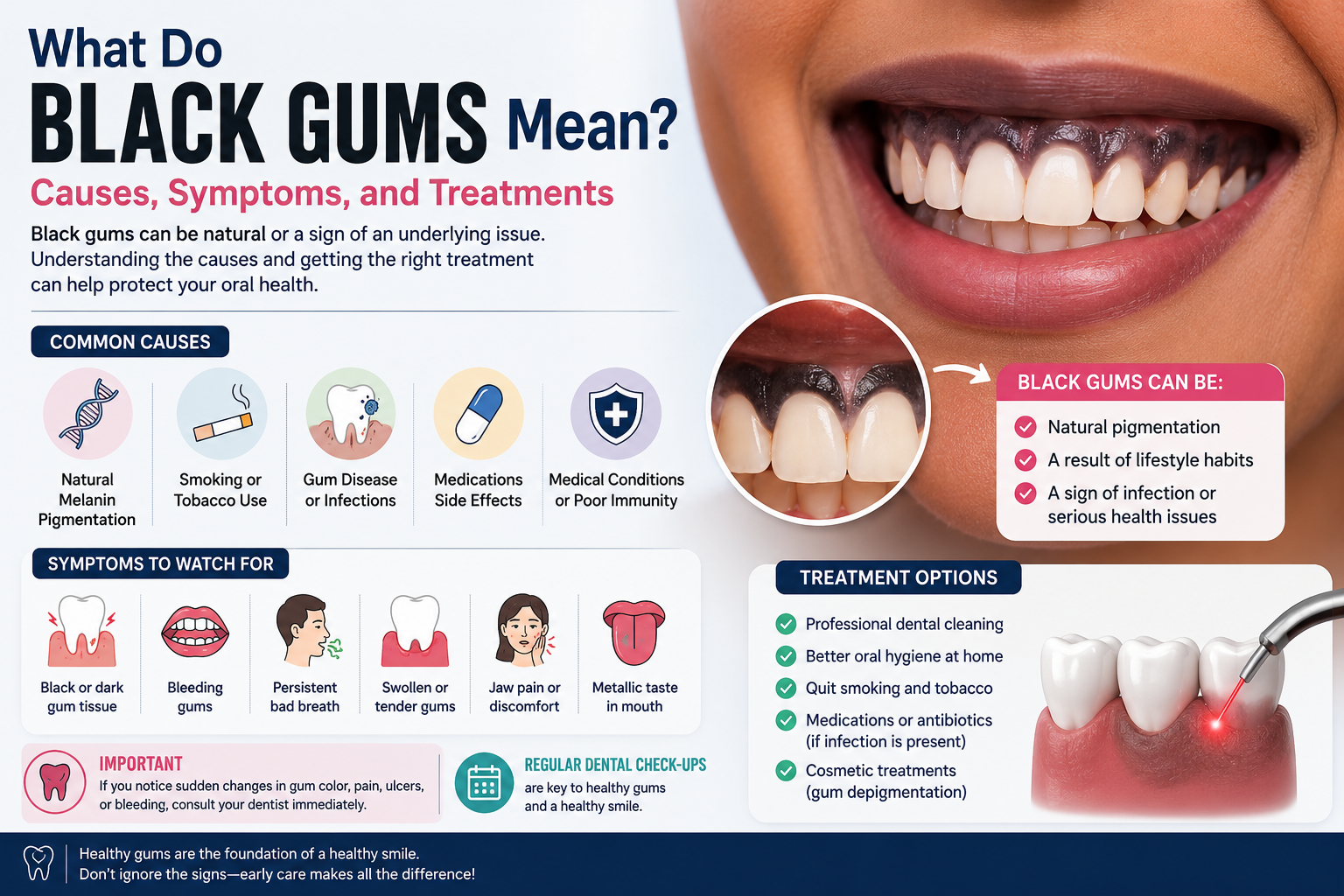
However, black gums can sometimes be linked to other causes such as smoking, medications, poor oral hygiene, or underlying dental conditions. If you notice sudden changes in your gum colour or experience pain and swelling, it is important to consult a dentist for proper evaluation and treatment.
Book an appointment: Dr Nivea’s Highly Advanced Dental Network
What Do Black Gums Mean?
Melanin pigmentation is one of the most common reasons for naturally dark gums. Some people may have uniform dark gums, while others may notice patches of darker pigmentation in certain areas of the mouth.
Natural gum pigmentation is harmless and usually does not require treatment. However, if the discolouration develops suddenly or is accompanied by other symptoms, it may indicate an oral health issue that needs attention.
Are Black Gums a Sign of Gum Disease?
In some cases, black gums can be associated with gum disease. Mild gum infections, such as gingivitis, are common and can often be treated with proper oral hygiene and professional dental care.
A more severe condition known as necrotising periodontal disease or “black gum disease” is much rarer but more serious. This condition damages gum tissue, bones, and surrounding structures, requiring immediate dental treatment.
Occasionally, black spots on the gums may also indicate more serious conditions such as oral melanoma, a rare form of oral cancer. Any unusual or changing dark patches should be examined by a dentist promptly.
Smoking and Black Gums
Smoking is a major cause of darkened gums. Tobacco products stimulate melanin production, which can cause the gums to appear brown or black over time. This condition is commonly known as smoker’s melanosis.
The severity of gum discolouration depends on:
Quitting smoking may gradually reduce gum darkening and also lower the risk of gum disease, tooth loss, and other oral health complications.
Common Causes of Black Gums
Several factors can contribute to black gums, including:
People with diabetes, HIV/AIDS, chronic stress, or weakened immunity may have a higher risk of developing severe gum infections.
What is ANUG (Acute Necrotizing Ulcerative Gingivitis)?
Acute Necrotizing Ulcerative Gingivitis (ANUG), also called trench mouth, is a severe gum infection caused by bacterial overgrowth in the mouth.
This condition develops rapidly and can cause black or grey gum tissue due to tissue death. ANUG is commonly associated with:
Early Symptoms of ANUG
Common warning signs include:
Without treatment, the infection may spread deeper into the tissues and jawbone.
Symptoms of Black Gum Disease
Severe black gum disease may cause:
If these symptoms appear suddenly, immediate dental care is necessary.
Treatment Options for Black Gums
Treatment depends on the underlying cause of the discolouration.
Professional Dental Cleaning
For gum infections caused by plaque buildup, professional cleaning can help remove bacteria and improve gum health.
Improved Oral Hygiene
Brushing twice daily, flossing regularly, and using antibacterial mouthwash can help prevent further gum problems.
Smoking Cessation
Quitting smoking can reduce gum pigmentation and improve overall oral health.
Medications and Antibiotics
In severe infections such as ANUG, dentists may prescribe antibiotics and pain management medications.
Cosmetic Gum Treatments
For people concerned about dark gums, cosmetic dental procedures such as gum depigmentation or laser treatments may help lighten the colour.
Conclusion
Black gums can occur naturally due to melanin pigmentation, but they may also result from smoking, infections, or underlying oral health conditions. While some causes are harmless, sudden gum discolouration, pain, bleeding, or ulcers should never be ignored.
Maintaining good oral hygiene, avoiding tobacco products, and scheduling regular dental check-ups are essential for healthy gums. If you notice unusual changes in your gum colour, consult your dentist for an accurate diagnosis and proper treatment with a dental clinic in Trichy

.png)
.png)