What Is Bruxism (Teeth Grinding)?
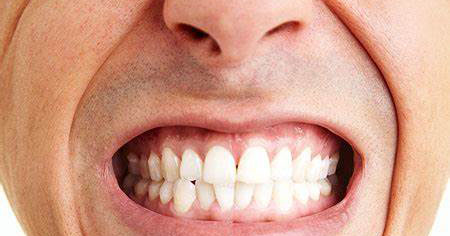
Bruxism is the medical term for grinding teeth or clenching the jaw. It can occur during the day (awake bruxism) or while sleeping (sleep bruxism). Many people are unaware they have this condition, especially when it happens during sleep.
Sleep bruxism is considered a sleep-related movement disorder. People who grind their teeth at night are more likely to experience other sleep issues, such as snoring or sleep apnea. While mild cases may not require treatment, severe or frequent grinding can lead to headaches, jaw pain, and tooth damage.
Book an appointment: Dr. Nivea’s Highly Advanced Dental Network
Causes of Bruxism
The exact cause of bruxism is not always clear. It may result from a combination of physical, psychological, and lifestyle factors, including:
In children, teeth grinding is often temporary and may occur due to teething, ear pain, or changes in routine. Many children outgrow this habit over time.
Why Is Bruxism Harmful?
Chronic teeth grinding can cause serious dental and jaw problems if left untreated. Over time, it can wear down teeth and lead to complications such as:
Bruxism can also affect facial appearance by altering jaw muscles.
Managing Bruxism
Although bruxism cannot always be prevented—especially in children—early detection and regular dental checkups can help manage the condition. At a dental clinic in Trichy, dentists can recommend suitable treatments to protect teeth and reduce symptoms.


.png)