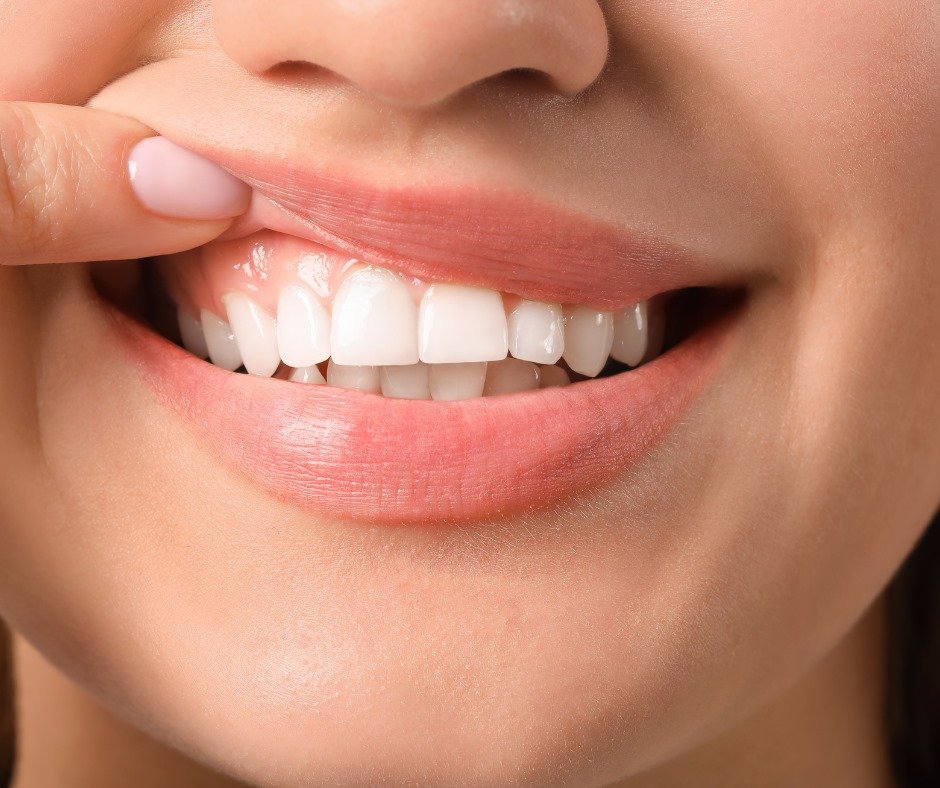

Does your tooth hurt? It may be worth taking a closer look at your dental crown. Crowns can become damaged from teeth grinding, clenching, or biting down on hard foods. When a crown becomes loose or cracked, it can lead to throbbing pain. Sometimes the tooth underneath becomes damaged—or even infected—allowing bacteria to irritate the nerve beneath the crown.
Few pains compare to a severe toothache, and yes, a dental crown can be part of the problem. Whether the crown is new or has been in place for years, discomfort is a sign that something isn’t right. Seeing a dentist is the best way to identify the cause and prevent the issue from worsening.
What Is a Dental Crown and Why Is It Needed?
A dental crown is a fixed prosthetic that covers a natural tooth or attaches to a dental implant. Unlike removable dentures, only a dentist can place or remove a crown. Designed to look and function like a natural tooth, crowns can be made from tooth-colored materials, metal, or even gold.
Uses of a Dental Crown
Dental crowns serve many purposes, including:
For children, crowns may be used to protect teeth prone to decay, save severely damaged teeth, or avoid dental procedures that require anesthesia.
A crown is placed on an abutment that attaches to an implant fused into the jawbone—creating a realistic, durable replacement for a missing tooth.
Why Can a Crowned Tooth Hurt?
Crown-related pain can stem from several issues. One common cause is placing a crown on a tooth that has not undergone a needed root canal, leaving sensitive or damaged pulp beneath the crown. Pressure on this nerve can result in significant discomfort.
An uneven bite, or malocclusion, may also cause pain—especially in people who grind or clench their teeth. Older fillings, particularly silver amalgam fillings, can sometimes leak, allowing bacteria to reach the nerve and trigger infection.
Individuals prone to bruxism (teeth grinding) may find relief by:
If your crowned tooth hurts, it shouldn’t be ignored—proper diagnosis and care from a dentist can prevent further damage and restore comfort.

.png)
.png)