
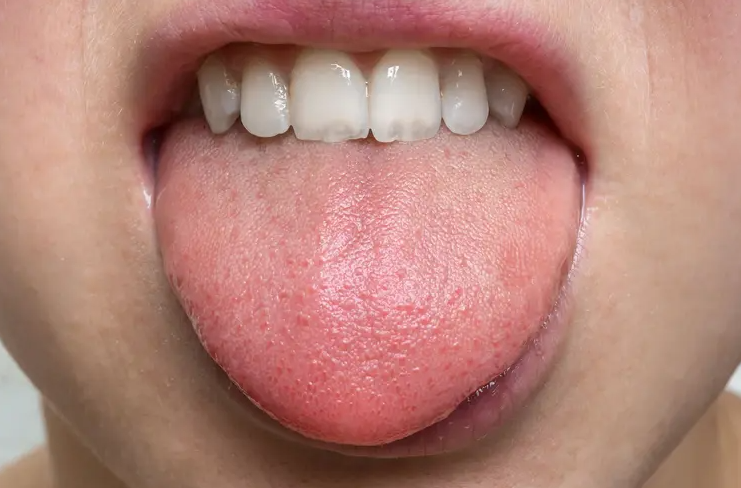
Key Facts About Tingling Tongue
A tingling or “pins and needles” sensation commonly occurs in the hands or feet when pressure is placed on nerves for too long. The same sensation can also affect the tongue, leading to a tingling tongue (tongue paresthesia).
This article explains the possible causes of tongue tingling, when it may become serious, and how to relieve the sensation.
Book an appointment: Dr Nivea’s Highly Advanced Dental Network
Is a Tingling Tongue Serious?
In most cases, a tingling tongue is not serious and usually goes away on its own. Temporary tingling may happen after eating spicy or acidic foods, sleeping in an awkward position, or experiencing mild irritation.
However, persistent or repeated tingling could indicate an underlying health problem that requires attention. Certain neurological disorders, vitamin deficiencies, allergic reactions, or anxiety-related conditions may trigger abnormal sensations in the tongue.
Conditions such as multiple sclerosis, nerve injury, or stroke can also affect tongue sensation. If the tingling persists for a long time or is accompanied by symptoms such as facial weakness, difficulty swallowing, speech difficulties, or breathing problems, immediate medical care is necessary.
Why Is My Tongue Tingling?
There are several possible reasons for a tingling sensation in the tongue. Some of the most common causes include:
Pressure on Nerves
Just like tingling in the hands or feet, tongue tingling can happen when nerves are compressed or irritated. Sleeping in an awkward position or accidentally putting pressure on the tongue may temporarily affect nerve function. The sensation usually disappears once the pressure is relieved.
Vitamin Deficiency
Vitamin deficiencies, especially vitamin B12 deficiency, can affect nerve health and cause numbness or tingling in the tongue. Low levels of certain nutrients may also cause fatigue, weakness, or mouth soreness.
Allergic Reactions
Food allergies, medication allergies, or environmental triggers can sometimes cause tongue tingling. Symptoms may also include swelling, redness, itching, or hives. Severe allergic reactions require immediate medical attention.
Oral Conditions
Certain tongue and mouth conditions can produce tingling or burning sensations. Geographic tongue may create smooth red patches that feel sensitive, while oral thrush can cause discomfort, burning, or tingling.
Neurological Disorders
Neurological conditions such as multiple sclerosis or stroke may interfere with nerve signals and affect tongue sensation. Tingling combined with weakness, facial drooping, confusion, or vision changes should never be ignored.
Anxiety and Stress
Stress and anxiety can produce physical symptoms throughout the body, including tingling sensations in the tongue. Hyperventilation caused by anxiety may also lead to numbness or pins-and-needles sensations. These symptoms often improve once stress levels decrease.
Infections
Certain viral infections, including herpes simplex and shingles, may affect nerves, leading to tingling or numbness of the tongue. Fever, sores, or pain along with tingling may indicate an infection that requires treatment.
Tip of Tongue Tingling
Tingling specifically at the tip of the tongue can have various causes, as the sensitive cranial nerves that control this area are involved.
Burning Mouth Syndrome
Burning mouth syndrome often causes a burning, tingling, or numb sensation at the tip of the tongue. Dry mouth and changes in taste may also occur. Stress, hormonal changes, or nutritional deficiencies are common triggers.
Irritation or Injury
Accidentally biting the tongue, eating very hot foods, or consuming acidic foods may irritate the tongue and cause temporary tingling.
Nerve Damage
In rare cases, dental procedures such as tooth extractions or oral surgeries may temporarily affect nerves connected to the tongue, causing tingling or numbness.
How to Get Rid of Tingling Tongue
Most cases of tongue tingling improve on their own. However, the following steps may help reduce discomfort:
When to Seek Medical Attention
Occasional tongue tingling is usually harmless, but medical evaluation is recommended if:
These warning signs may indicate a serious medical condition, such as nerve damage or stroke, and should not be ignored.
Takeaway
A tingling tongue is often temporary and linked to harmless causes such as irritation, dehydration, stress, or mild nerve pressure. In many cases, the sensation resolves without treatment. However, persistent or recurring tingling may point to vitamin deficiencies, nerve problems, infections, or neurological conditions that require medical attention.
If the tingling does not improve or occurs alongside other concerning symptoms, consult a dental clinic in Trichy or healthcare professional for proper evaluation and treatment.
FAQs
Why is the tip of my tongue numb?
Numbness at the tip of the tongue may result from irritation, accidental injury, vitamin B12 deficiency, allergies, or temporary nerve damage after dental treatment. A healthcare professional should evaluate persistent numbness.
Why does my tongue feel weird?
Irritation, allergies, stress, infections, dehydration, or nutritional deficiencies can cause a strange sensation in the tongue. In some cases, nerve-related conditions may also be responsible.
Is a tingling tongue serious?
Most cases are harmless and temporary. However, persistent tingling or symptoms accompanied by difficulty speaking, swallowing, or facial weakness may indicate a more serious condition.
How do you get rid of a tingling tongue?
Staying hydrated, improving vitamin intake, avoiding irritants, reducing stress, and maintaining good oral hygiene can help. Seek medical advice if symptoms continue or worsen.

.png)
.png)