
Receding Gums: Causes, Treatments, and Effective Prevention
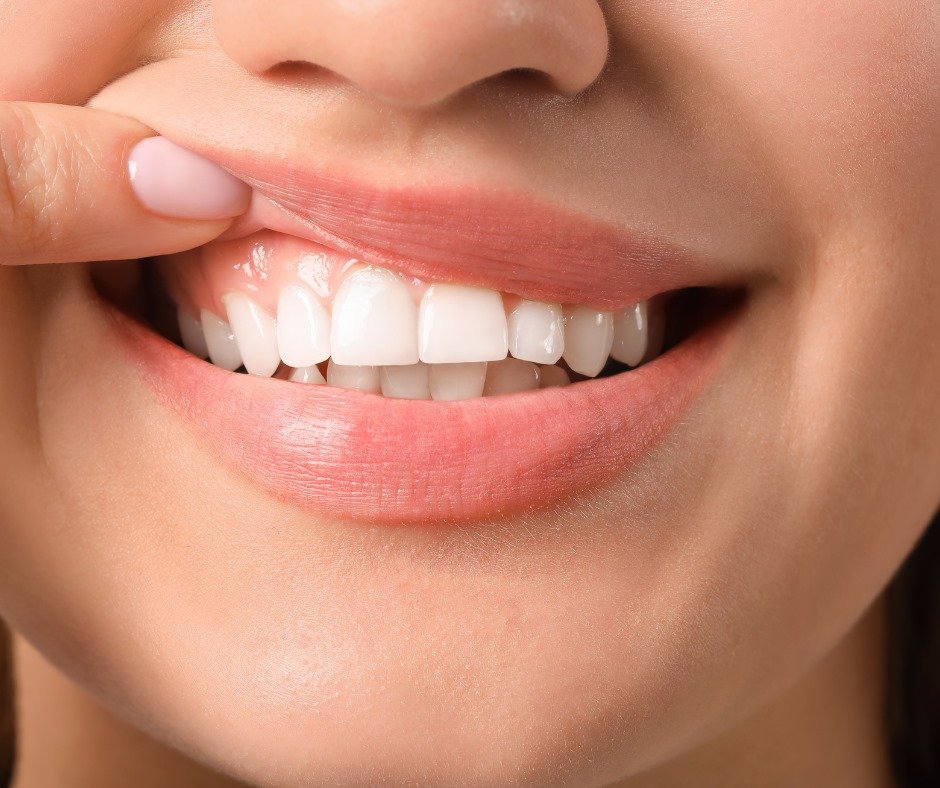
Healthy gums play a vital role in maintaining strong teeth and a confident smile. However, many people experience receding gums, a common dental condition where the gum tissue pulls back from the tooth surface, exposing more of the tooth or its root. Gum recession often develops gradually, making it easy to overlook until noticeable symptoms appear.
If left untreated, receding gums can lead to tooth sensitivity, decay, and even tooth loss. Understanding the causes, available treatments, and preventive measures is essential to protect your oral health.
Book an appointment: Dr. Nivea’s Highly Advanced Dental Network
What Are Receding Gums?
Receding gums occur when the gum tissue surrounding the teeth wears away or pulls back, creating gaps between the gums and teeth. These gaps allow bacteria to accumulate, increasing the risk of infection and damage to the supporting structures of the teeth.
Since gum tissue does not naturally grow back, early diagnosis and proper care are crucial in managing this condition.
Common Causes of Receding Gums
Several factors can contribute to gum recession, ranging from oral hygiene habits to underlying health conditions.
1. Poor Oral Hygiene
Inadequate brushing and flossing allow plaque to build up on the teeth. Over time, plaque hardens into tartar, which can only be removed by a dentist. This buildup irritates the gums and leads to recession.
2. Aggressive Brushing
Brushing too hard or using a hard-bristled toothbrush can damage gum tissue and enamel. Over time, this mechanical trauma causes the gums to pull away from the teeth.
3. Gum Disease (Periodontitis)
One of the leading causes of receding gums is periodontal disease, a bacterial infection of the gums. As the disease progresses, it destroys gum tissue and bone, causing the gums to recede.
4. Genetics
Some people are genetically predisposed to gum problems. Even with good oral hygiene, they may still experience gum recession due to inherited traits.
5. Hormonal Changes
Hormonal fluctuations during puberty, pregnancy, and menopause can make gums more sensitive and vulnerable to recession.
6. Teeth Grinding and Clenching
Chronic grinding or clenching of teeth puts excessive pressure on the gums and supporting structures, leading to gradual recession.
7. Tobacco Use
Smoking or chewing tobacco reduces blood flow to the gums, impairs healing, and increases the risk of gum disease and recession.
8. Misaligned Teeth or Bite Problems
Teeth that are crowded or misaligned can place uneven pressure on the gums, contributing to tissue breakdown over time.
Signs and Symptoms of Receding Gums
Gum recession often progresses silently, but some warning signs include:
If you notice any of these symptoms, it’s important to consult a dentist promptly.
How Are Receding Gums Diagnosed?
Dentists diagnose gum recession during routine dental exams by:
Early diagnosis helps prevent further damage and simplifies treatment.
Treatment Options for Receding Gums
Treatment depends on the severity of the recession and the underlying cause.
1. Professional Cleaning
In mild cases, deep cleaning procedures such as scaling and root planing can remove plaque and bacteria from below the gumline, allowing the gums to heal.
2. Medications
Antibacterial mouthwashes, topical antibiotics, or antimicrobial gels may be prescribed to control infection and reduce inflammation.
3. Desensitising Treatments
For exposed roots causing sensitivity, dentists may apply desensitising agents or bonding materials to protect the tooth surface.
4. Gum Grafting
In moderate to severe cases, gum graft surgery may be required. Healthy tissue is taken from another part of the mouth or a donor source and attached to the affected area to cover exposed roots and restore gum health.
5. Pinhole Surgical Technique
This minimally invasive procedure involves repositioning existing gum tissue without stitches. It offers faster healing and less discomfort compared to traditional grafting.
6. Orthodontic Treatment
If misaligned teeth are contributing to gum recession, braces or aligners may help correct the bite and reduce further damage.
Can Receding Gums Be Reversed?
While lost gum tissue cannot grow back naturally, early treatment can stop progression and restore function and appearance. Advanced dental procedures can effectively cover exposed roots and improve gum health.

.png)
.png)