.png)
What is Human Papillomavirus (HPV)?
Human papillomavirus (HPV) is a common viral infection, and most people will encounter it at some point in their lives. It includes over 100 related viruses, mainly spread through sexual contact.
HPV is broadly classified into two types:
While many HPV strains are harmless, some can affect the mouth and throat. Around 40% of HPV types are linked to oropharyngeal HPV, which may cause oral warts, lesions, and, in some cases, oral cancer. One of the most concerning high-risk strains is HPV-16.
Book an appointment: Dr Nivea’s Highly Advanced Dental Network
How Do You Get HPV in the Mouth?
HPV can enter the body through the mouth, especially via small cuts or sores in the oral tissues. Though sexual contact is the most common mode of transmission, other factors can increase the risk.
Key risk factors include:
Men are generally at a higher risk of developing oral HPV compared to women.
What Does HPV Look Like in the Mouth?
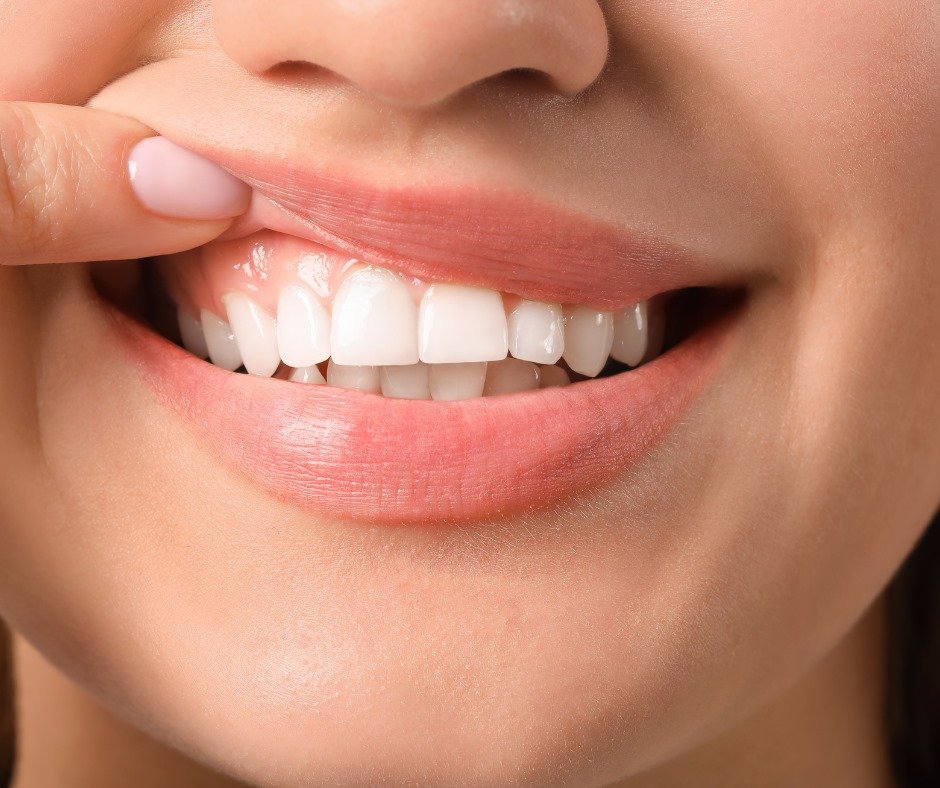
Oral HPV may appear as small, raised bumps or warts that are white or flesh-colored. These growths can resemble tiny cauliflower-like clusters and may develop on:
They are often painless and may go unnoticed. In some cases, they can also appear as red or white patches depending on the type and location.
What Are the Symptoms of Oral HPV?
In many cases, oral HPV shows no symptoms. However, when symptoms do occur, they may include:
If the infection persists and progresses, it may lead to oral cancer, which can cause:
How is Oral HPV Diagnosed?
There is currently no standard FDA-approved test specifically for detecting HPV in the mouth. However, dentists can identify suspicious lesions during routine oral exams.
If needed, they may perform:
How is Oral HPV Treated?
In many cases, oral HPV infections clear on their own without treatment.
For visible warts or lesions:
If high-risk HPV leads to cancer, treatment may include:
Treatment depends on the stage and location of the condition, as advised by a specialist at a dental clinic in Trichy.
How to Prevent Oral HPV
Vaccination is one of the most effective ways to reduce the risk of HPV infection, especially before exposure. However, it does not treat existing infections.
Preventive measures include:
Takeaway
Oral HPV often goes unnoticed because it usually does not cause symptoms. Regular dental checkups are essential for early detection.
If you notice persistent warts, lesions, or unusual changes in your mouth, don’t ignore them. Early diagnosis can prevent complications, including oral cancer.
FAQs
What are the symptoms of HPV-16 in females?
HPV-16 is a high-risk strain often linked to cervical cancer. It usually shows no early symptoms but may cause abnormal cell changes detected through screening tests.
How do you know if you have HPV in your mouth?
You may not notice symptoms. A dentist can identify unusual lesions during an oral exam.
Does HPV cause swollen lymph nodes?
Yes, in advanced cases related to cancer, swollen lymph nodes may occur.
Can you get HPV in your mouth?
Yes, HPV can infect the oral cavity, typically through oral contact.
What does HPV look like in men?
It may appear as warts or lesions on the skin or inside the mouth, depending on the infection type.

.png)
.png)